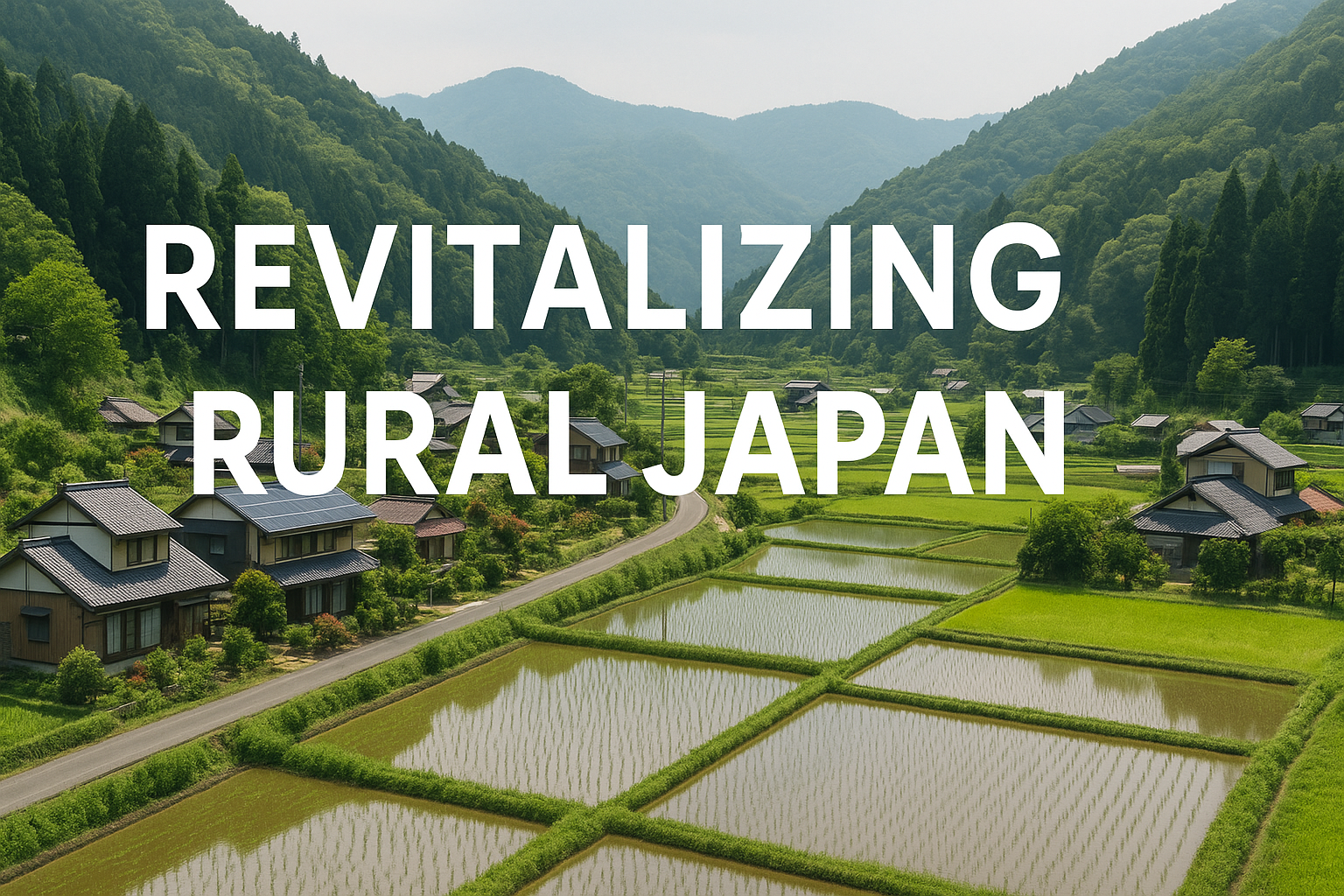
You’ve probably heard the buzzwords “work-life balance” and “rural migration” floating around. But in Japan, there’s a fascinating trend that’s marrying these concepts: workation. Far more than just remote work from a scenic spot, these evolving workation facilities are becoming pivotal in revitalizing Japan’s rural areas. Let’s dive into this exciting development!
Why Workation is a Game-Changer for Rural Revitalization
“Workation” is a portmanteau of “work” and “vacation,” meaning you get to enjoy a holiday while still getting your work done. So, why is this trend so closely linked to rural revitalization in Japan?
The answer lies in the pressing issues facing many of Japan’s rural regions: depopulation and aging communities. Workation offers a fresh injection of vitality. It’s not just about attracting tourists for a short stay. When workationers immerse themselves in local communities, interact with residents, and experience local culture and industries, it often sparks new business opportunities or even cultivates an interest in permanent relocation. For the local communities, it’s a win-win, fostering sustained relationships beyond traditional tourism.
Old Schools, New Lives: Unique Workation Spots Emerge
A key characteristic of these new workation facilities is their incredibly unique locations.
In areas facing depopulation, there’s a growing movement to renovate disused old school buildings and vacant traditional Japanese houses (kominka), transforming them into vibrant workation hubs.
Imagine a wooden schoolhouse, once filled with children’s laughter, now equipped with high-speed Wi-Fi and serving as a modern co-working space. Or a quaint traditional house with an irori (sunken hearth), meticulously restored to retain its charm while offering state-of-the-art amenities for comfortable work and stay. These facilities allow you to deeply connect with the local history and culture while you work.
Many of these spots go even further, offering meals made with local ingredients or hosting cultural exchange events with residents. It’s about more than just a place to work; it’s an opportunity to truly integrate into the local way of life.
Beyond Work: Programs that Benefit Local Economies
The latest generation of workation facilities isn’t just about providing a workspace; they’re actively focused on contributing to the local economy.
It’s increasingly common for these facilities to connect users with local businesses, sparking new projects or collaborative efforts in developing local specialties. For instance, participants might help local farmers with a harvest, leading to innovative ideas for new processed goods. Or they might experience traditional crafts and then help promote their appeal to a wider audience. It’s a fascinating synergy where urban skills and ideas merge with local traditions, creating new value.
This shift means workation is evolving from a mere “extension of tourism” into a hub for rural revitalization, playing a significant role in solving local challenges and fostering new industries.
In Summary
Stepping away from the urban hustle, finding mental and physical rejuvenation in nature, and contributing to local revitalization – that’s the promise of workation in Japan. It offers an ideal blend of work and lifestyle.
If you’re exploring new ways to work, curious about rural living, or eager to contribute to local communities, consider visiting one of Japan’s evolving workation facilities. You might just discover new possibilities for your career and life!


コメント