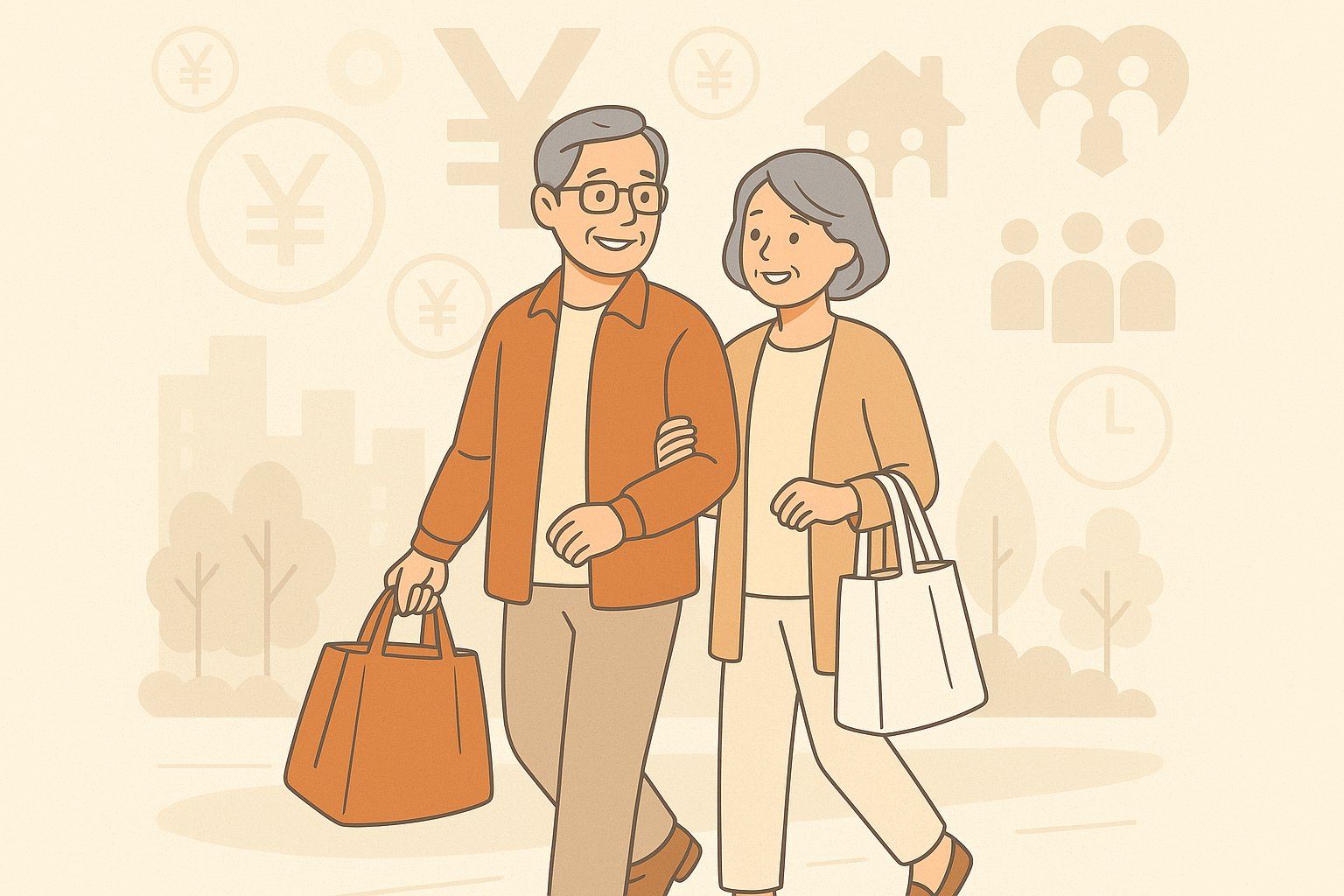
In Japan, the image of retirement is changing fast. Instead of slowing down, more people in their 60s and 70s are embracing an active lifestyle — working part-time, traveling, taking up new hobbies, and staying socially connected. This group, often called “Active Seniors”, is growing rapidly, driven by longer life expectancy, shifting values, and new opportunities to stay engaged.
And perhaps most interestingly, they’re finding ways to enjoy life while saving money.
Why Active Seniors Are on the Rise in Japan
Several factors explain this shift:
- Longer Healthy Lifespans – Japan’s healthy life expectancy (the years lived without major health issues) is now over 75 for women and 72 for men. Medical advances and fitness trends mean many in their 60s and 70s can still live very actively.
- Economic Motivation – Rising prices and modest pension payouts have pushed some to keep working, but many also want the social connections and sense of purpose that come with it.
- Legal and Workplace Changes – Japan’s revised Elderly Employment Stabilization Law encourages companies to offer work opportunities until at least age 70, while Silver Human Resource Centers and flexible freelance jobs make it easier for seniors to stay active.
- A New Mindset – The postwar and “baby boomer” generations grew up with travel, leisure, and consumer culture, making them more likely to see retirement as a time for exploration, not withdrawal.
- Local & Corporate Support – Cities and companies are developing “lifelong active communities” and targeted services for older adults, from travel packages to skill-learning programs.
How Japan’s Active Seniors Save Smart
Staying active doesn’t mean overspending. Many Active Seniors are combining frugality with a rich lifestyle through:
1. Senior Discounts Everywhere
- Supermarket & Pharmacy Days – Many chains offer 5% off for customers over 55 or 60 on certain days (e.g., Aeon’s “G.G. Day”).
- Dining & Café Deals – Restaurant groups like Skylark give 5% off to “Platinum Passport” holders, often extending discounts to friends and family dining together.
2. Community Currency: “Fureai Kippu”
A unique Japanese system where helping other seniors (housework, shopping support, etc.) earns you “time credits.” These can be redeemed when you need similar help in the future — no cash needed, just community trust.
3. Silver Human Resource Centers
Local organizations that match seniors with part-time work like gardening, light repairs, or event staffing — offering modest income, social contact, and a sense of purpose.
4. Lifestyle Efficiency
Downsizing daily routines, reusing and remaking clothes, and even blogging about thrifty living. Some seniors turn these habits into small income streams through social media.
5. Health as a Money Saver
Activities like pole walking or “large-ball table tennis” are popular for staying fit with minimal injury risk, helping to reduce long-term medical costs.
How This Compares Globally
While senior discounts and frugal living are common worldwide — from U.S. “senior days” at stores to the European trend of semi-retirement — Japan’s version has unique traits:
| Feature | Japan | Global Context |
|---|---|---|
| High Savings Mindset | Strong preference for cash deposits over riskier investments | U.S. & Europe more likely to use home equity or investments |
| Community Currency | Fureai Kippu is a rare, organized national network | Time banks exist elsewhere, but less tied to senior support |
| Tech in Aging | Government-backed robotics & IoT for health/elder care | Tech adoption growing, but less centralized support |
| Work Participation | ~25% of seniors still working | Rates vary, often lower in Western countries |
Why This Matters
Japan’s Active Seniors are rewriting the playbook for later life. They show that it’s possible to:
- Stay financially smart without giving up joy
- Stay physically and socially engaged well into the 70s and beyond
- Leverage community and technology to enhance both savings and well-being
As populations age worldwide, Japan’s blend of activity + frugality + community could be a model for other countries looking to keep their older citizens healthy, independent, and happy.
💡 Trend Takeaway:
In the past, retirement in Japan meant slowing down. Today, it’s about doing more with less — traveling with discounts, earning through small jobs, staying fit, and making every yen and every day count.


コメント